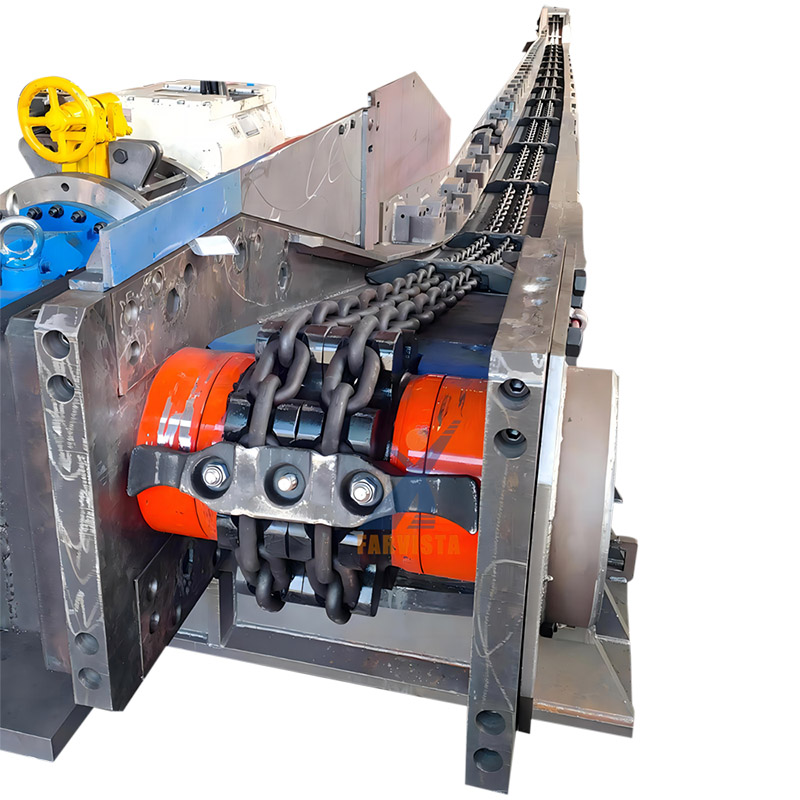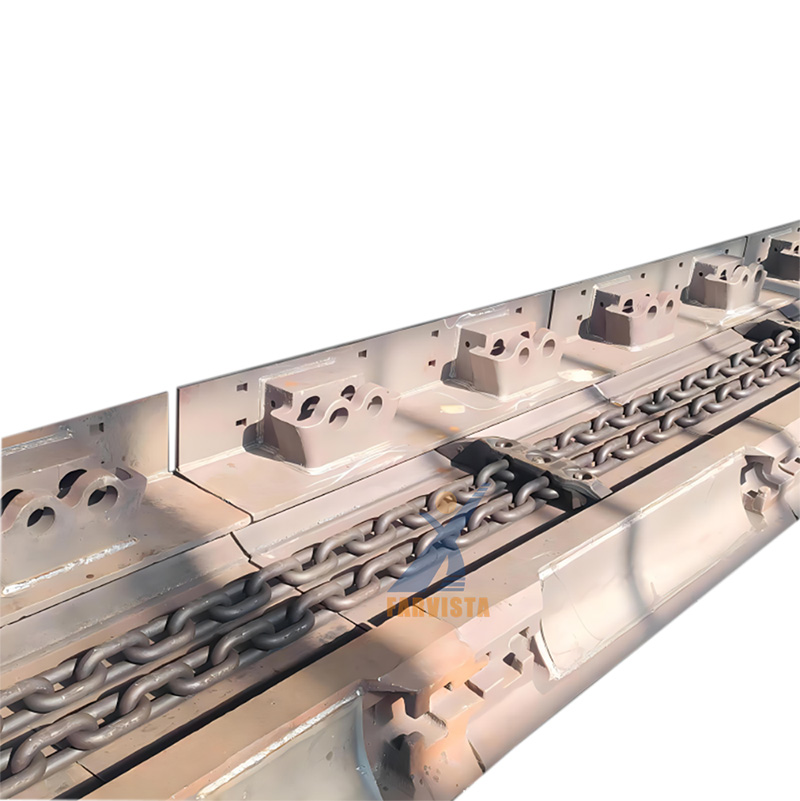
Medium Double-Chain Scraper for Coal Mines
The medium double-chain scraper is a critical material-handling system widely deployed in coal mining operations, distinguished by its exceptional load-bearing capacity, operational adaptability, and stable performance. Below is a comprehensive technical overview of its design and functionality:

Definition:
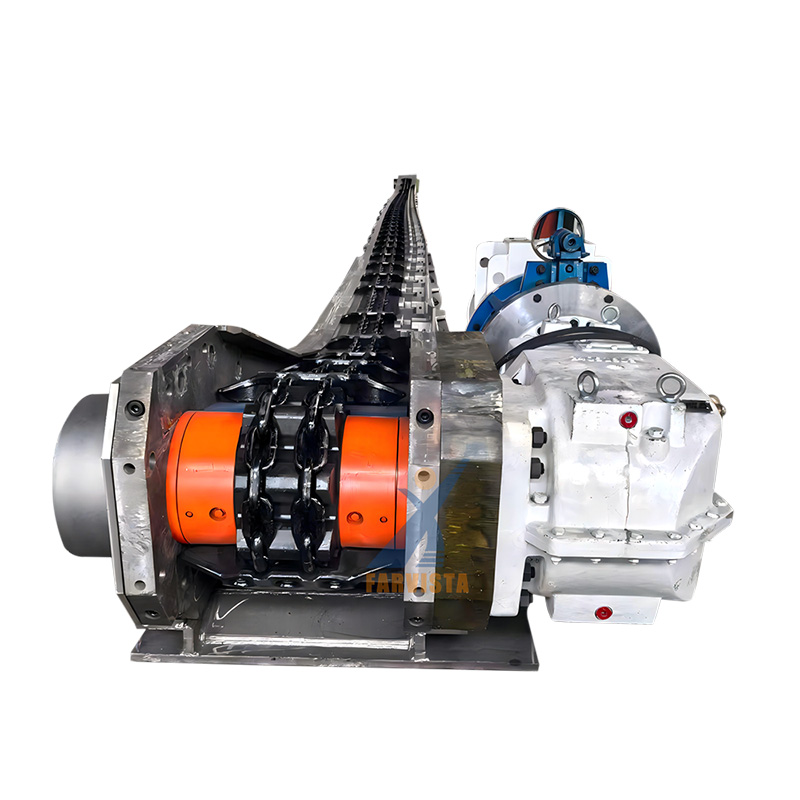
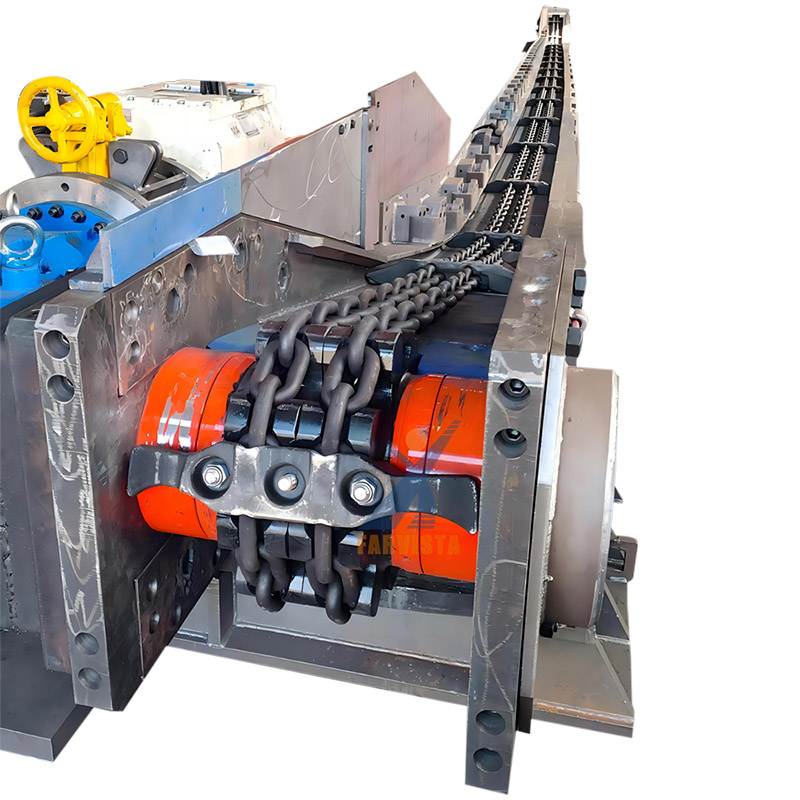
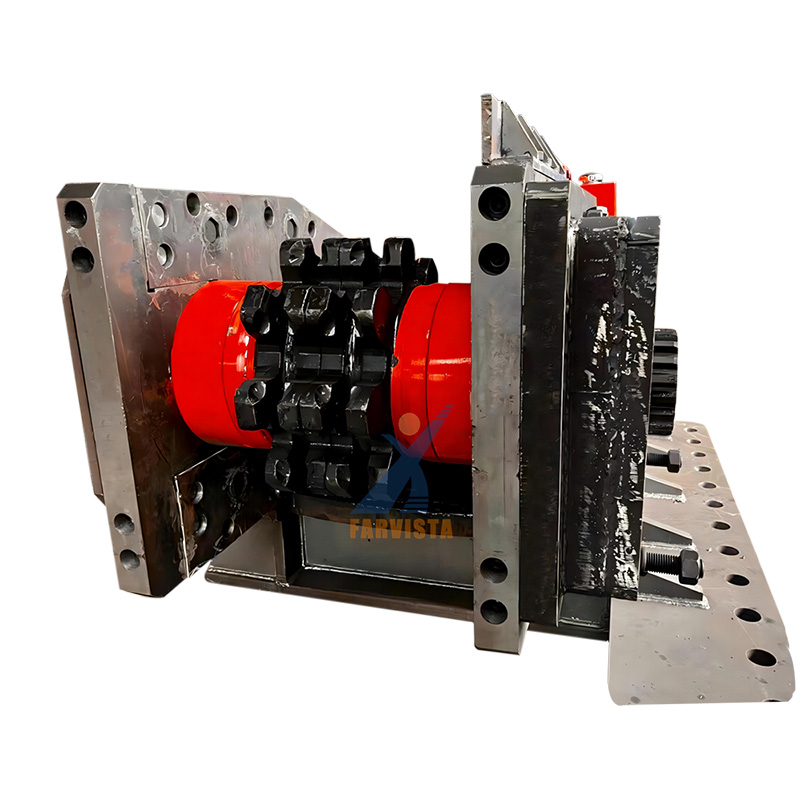
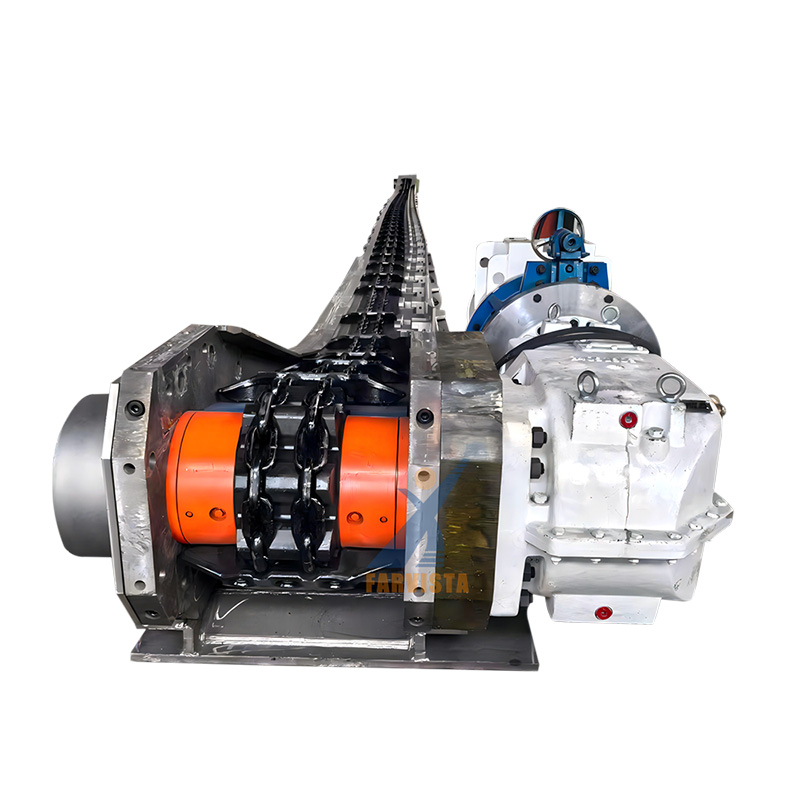
The coal mine medium double-chain scraper is a specialized drag-chain conveyor system engineered with a centrally positioned dual-chain configuration. It is designed for continuous bulk material transportation in underground mining environments and analogous industrial settings.

Core Functions:
Continuous Material Transport: Utilizes a reciprocating dual-chain mechanism to convey bulk materials (e.g., coal, gangue) across predefined distances with uninterrupted operational flow.
High Load Capacity: The dual-chain architecture enhances structural integrity, enabling efficient handling of high-density, large-volume material loads.
Environmental Adaptability: Optimized for deployment in complex subterranean conditions, including inclined drifts, curved roadways, and variable geotechnical strata.

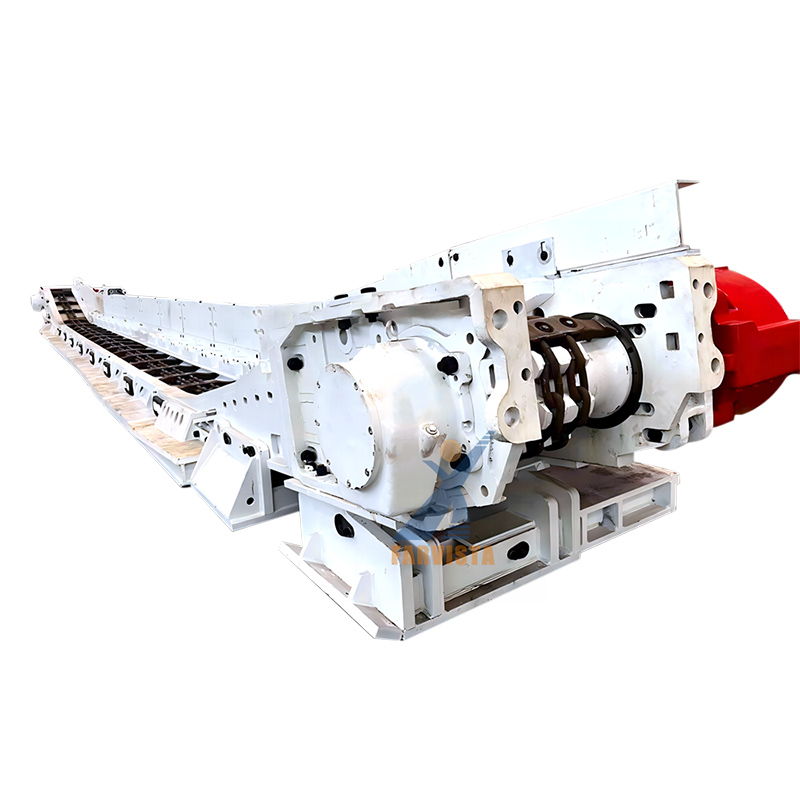
The system comprises the following primary modules:
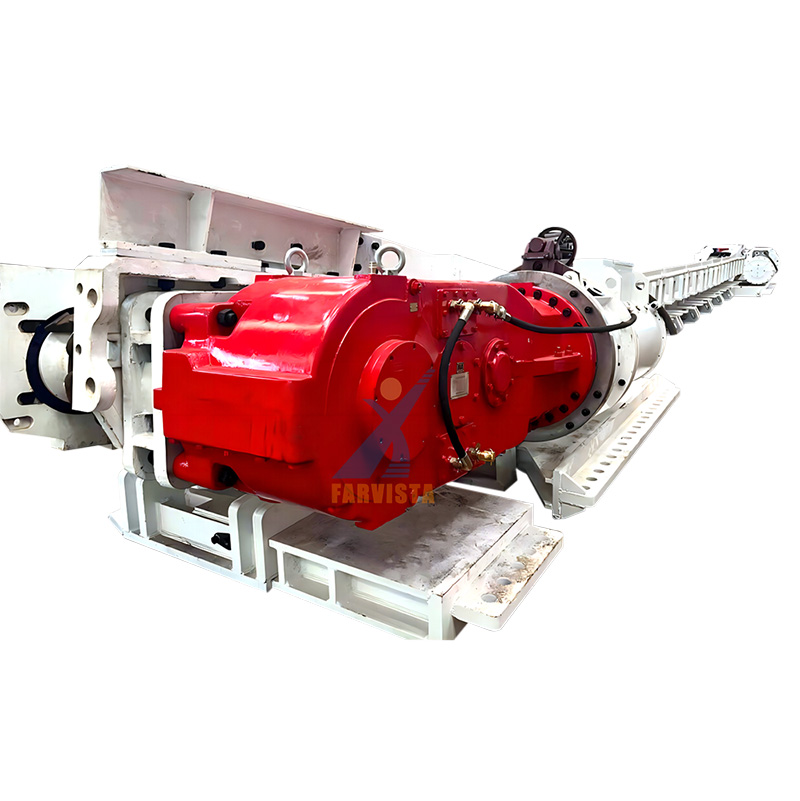
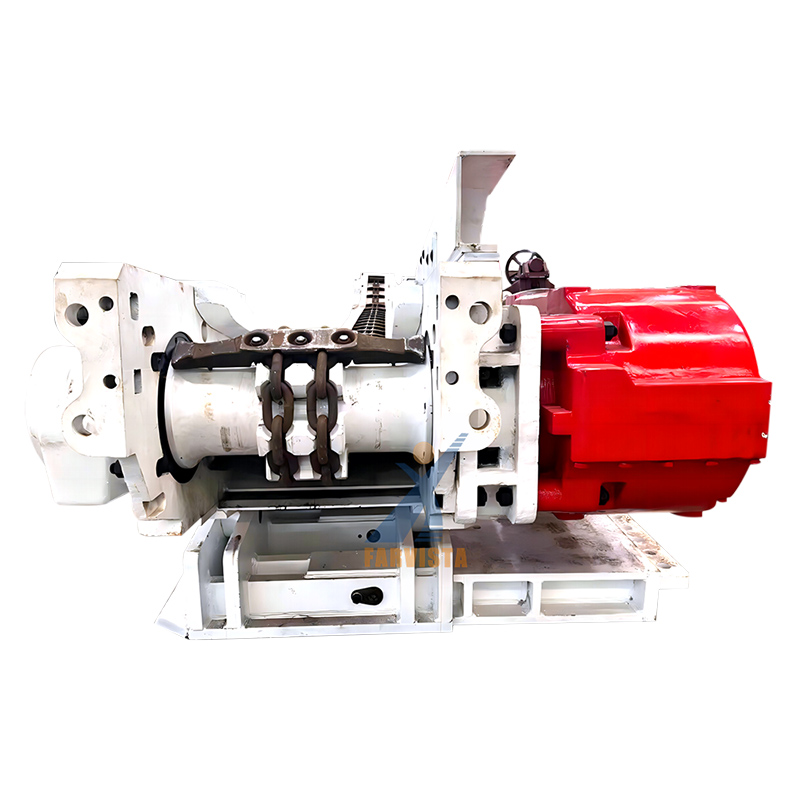
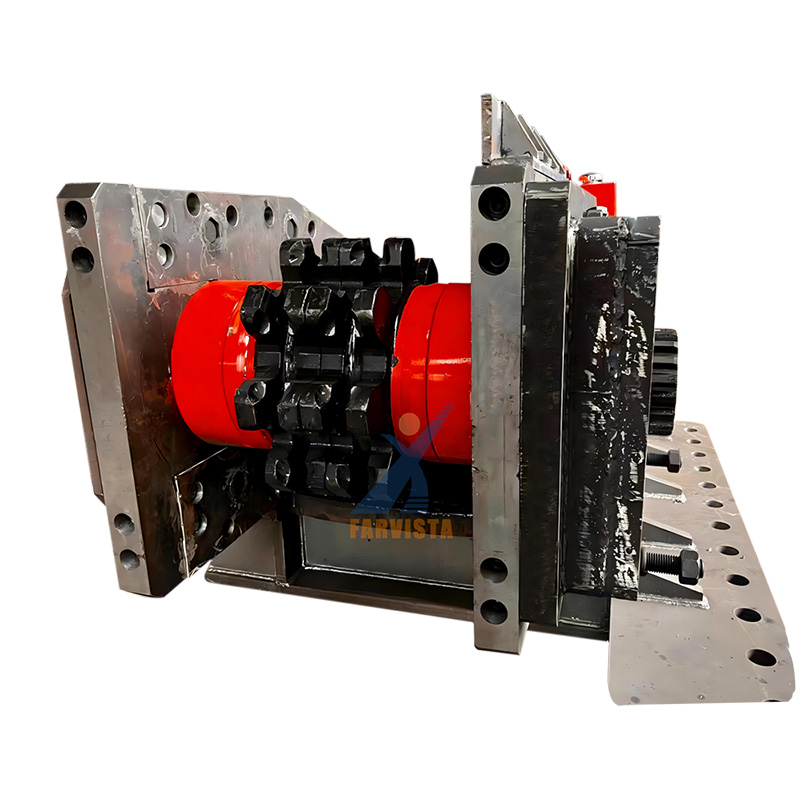
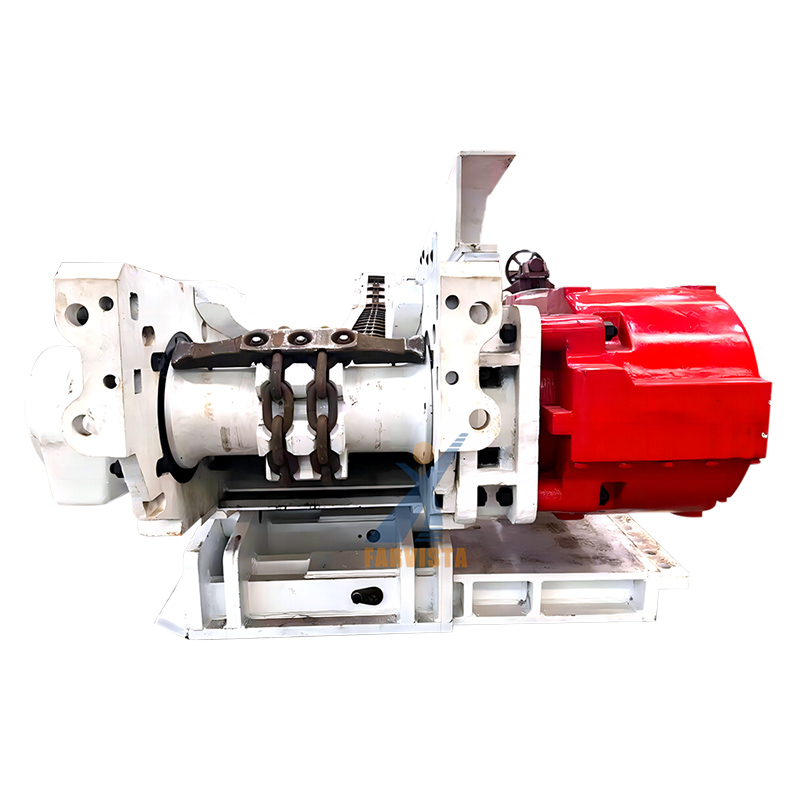
Drive Unit: Integrates an electric motor, gear reducer, and transmission assembly to generate and regulate mechanical power for chain propulsion.
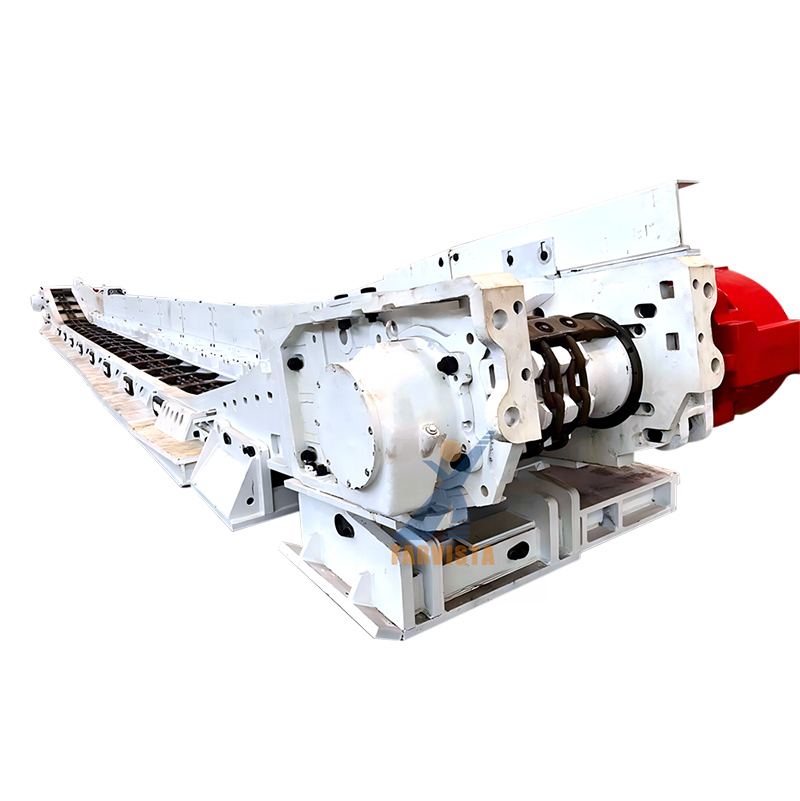
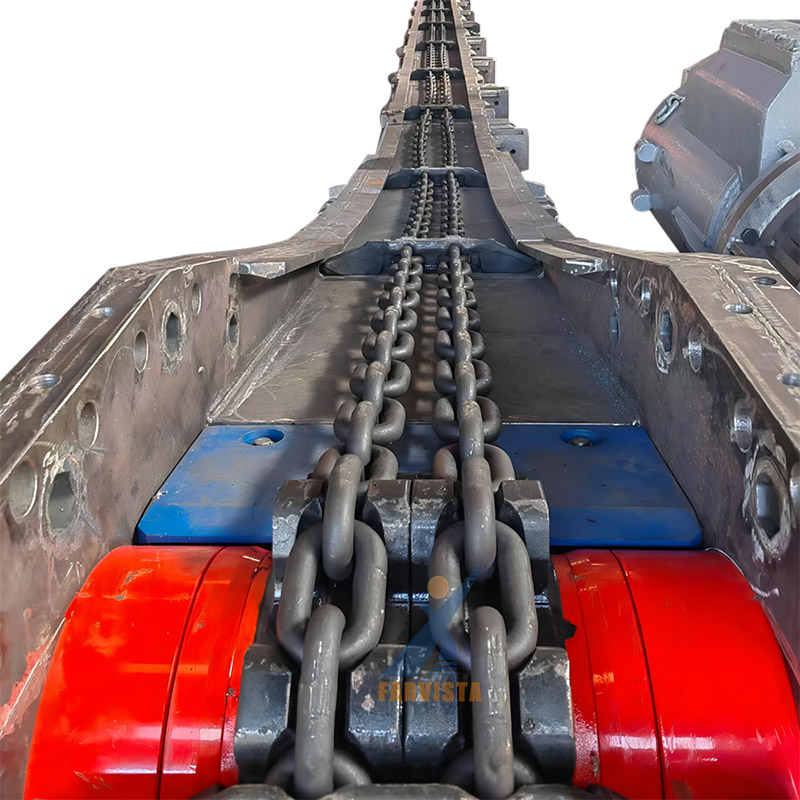
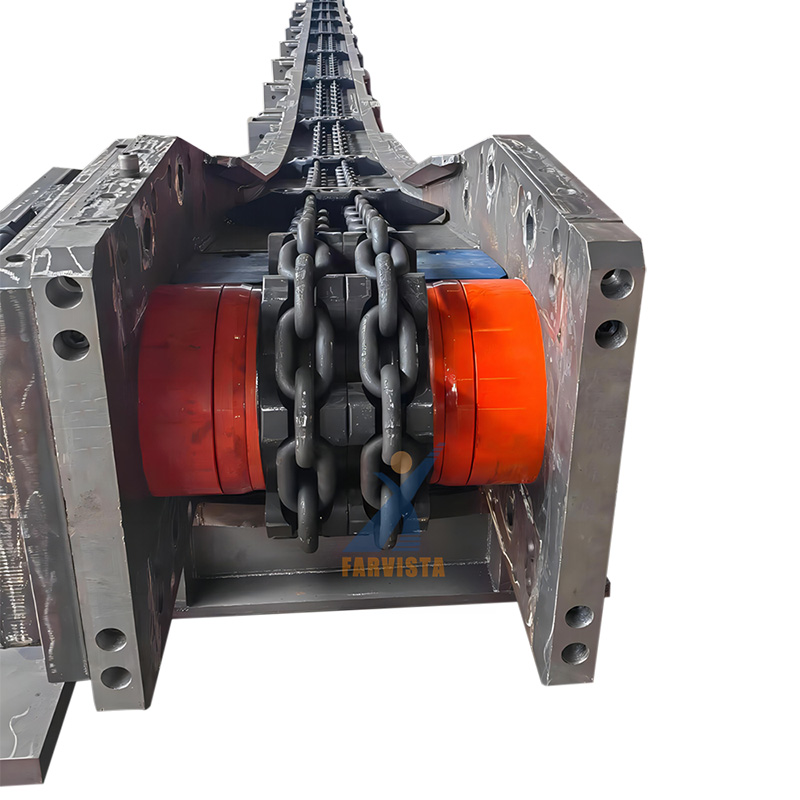
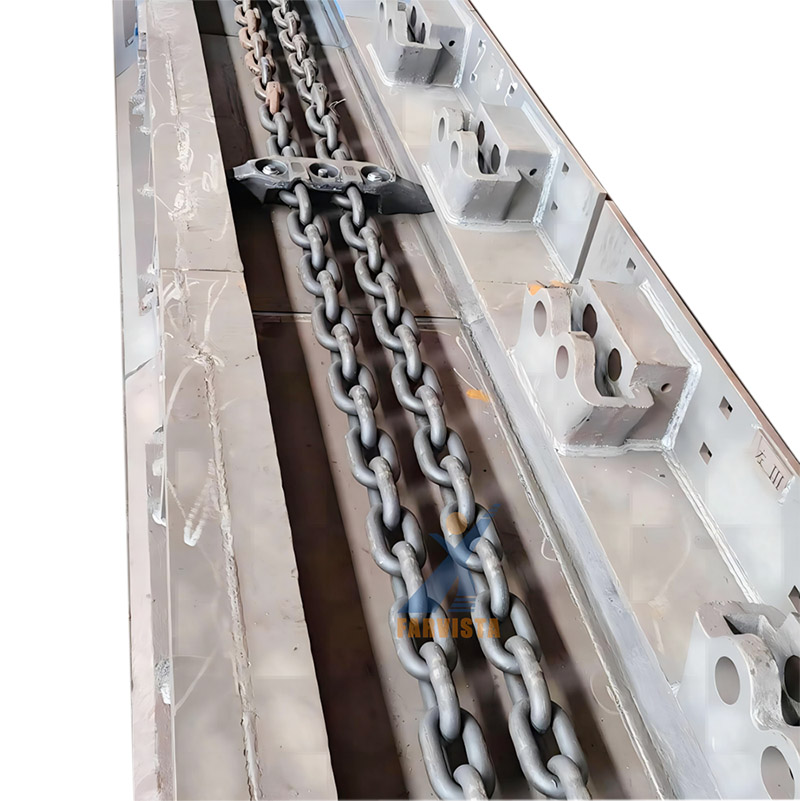
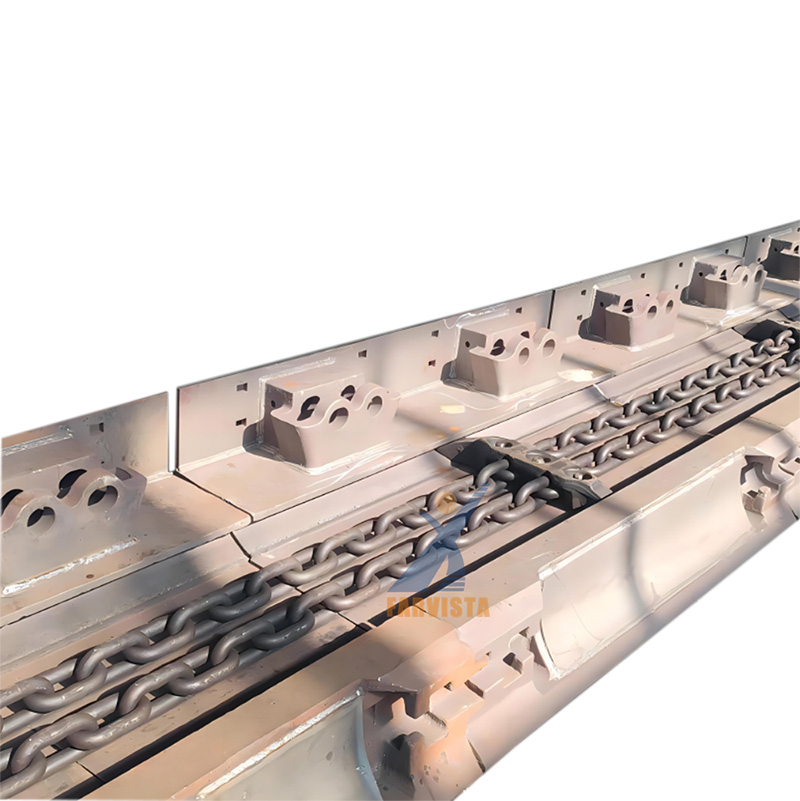
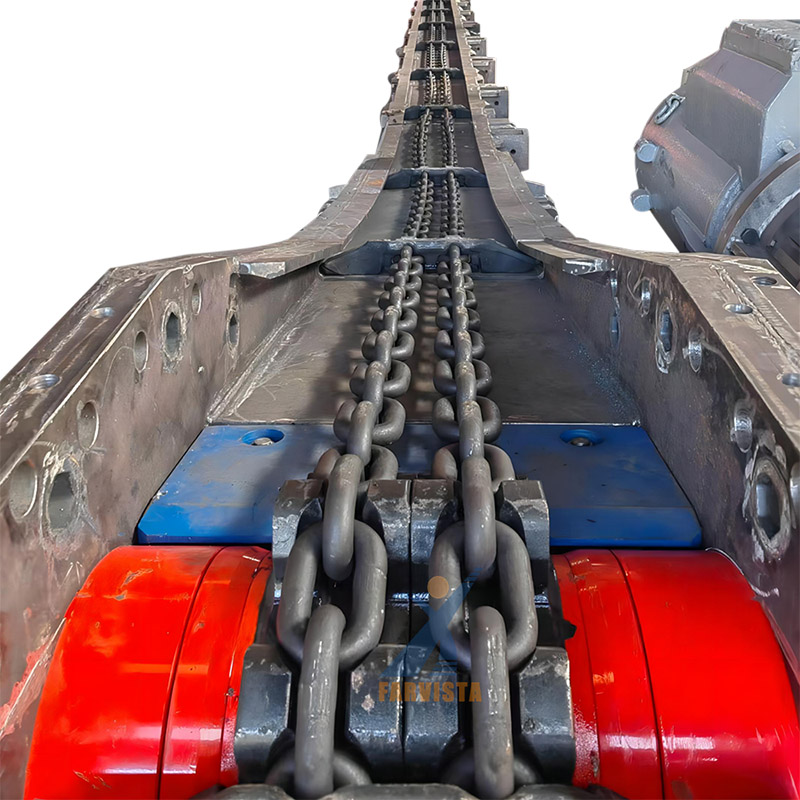
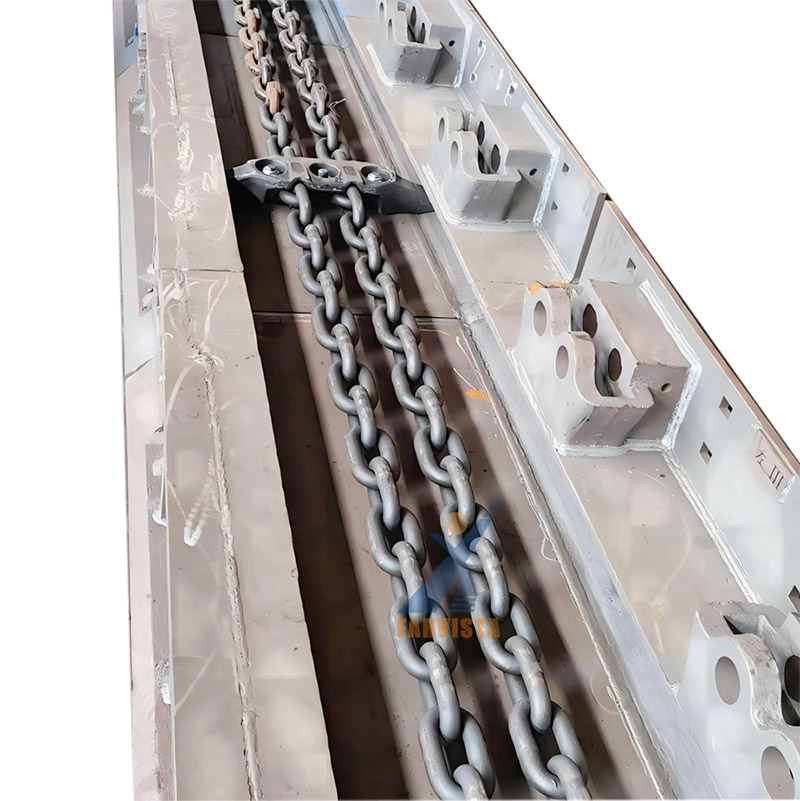
Central Trough: A modular assembly of interconnected steel channels forming the material-conveying pathway, engineered to support both the drag chain and transported payload.
Dual-Chain Drag Assembly: Consists of two parallel chains with affixed scraper blades, synchronized to scrape and advance materials along the trough.
Tail Unit: Equipped with a driven sprocket, tensioning mechanism, and alignment guides to maintain chain tautness and operational stability.
Auxiliary Components:
Optional modules include telescopic tail sections, power transition units, deflection/adjustment troughs, and cable management systems to accommodate diverse spatial configurations and operational demands.

The system operates via electromechanical actuation:
The drive unit engages, rotating the head sprocket to initiate chain movement.
The dual-chain assembly performs a continuous closed-loop trajectory within the central trough.
Scraper blades entrain materials from the intake zone, transporting them linearly to the discharge point.
Chain tension and alignment are maintained via the tail sprocket and dynamic tensioning system, ensuring seamless cyclic operation.

Enhanced Load Capacity: Dual-chain redundancy distributes mechanical stress, enabling sustained heavy-duty performance under peak loads.
Robust Construction: High-grade alloy components and hardened surfaces provide resistance to abrasion, impact, and torsional deformation.
Precision Motion Control: Synchronized drive-tension systems minimize vibrational harmonics and acoustic emissions, ensuring smooth operation.
Maintenance Efficiency: Modular design facilitates rapid component replacement, reducing downtime and lifecycle costs.

Specifications vary by model and manufacturer but typically include:
Conveyance Capacity: 200–2000 tons/hour (model-dependent)
Chain Velocity: 0.3–1.5 m/s
Installed Power: 55–400 kW
Chain Specifications: Ø22–Ø38 mm round-link chains (ISO 610 compliant)
Trough Dimensions: 620–1200 mm width (standardized profiles)
This system is integral to underground coal mining workflows, including:
Longwall face coal extraction
Development heading advancement
Continuous haulage in inclined/curved roadways
Bulk material transfer between processing stages
Its implementation optimizes operational throughput, mitigates manual labor requirements, and enhances workplace safety compliance.

To ensure operational longevity and reliability:
Systematic Maintenance Regimen:
Daily: Inspect chain tension, fastener integrity, and lubrication levels.
Monthly: Assess sprocket wear, trough alignment, and blade condition.
Annually: Overhaul drive components and replace degraded chains/blades.
Proactive Measures:
Implement real-time condition monitoring (e.g., vibration sensors).
Apply corrosion-resistant treatments in high-humidity environments.