

The scraper conveyor is one of the core pieces of equipment in underground coal mining, and its stable operation relies on the coordinated performance of various key components. Among them, the chain detacher, located at the head and tail of the scraper conveyor, plays a vital role. Its primary function is to separate the chain from the sprocket assembly at the head and tail sections, preventing interference or abnormal wear during engagement, and ensuring smooth operation of the entire system. The production process of the chain detacher directly affects equipment reliability and service life. This article introduces the production process, technical features, and application scope of the scraper conveyor chain detacher.
I. Raw Material Selection
The chain detacher works under high impact and severe wear conditions, requiring excellent strength and wear resistance. Common materials include Q235, Q345B structural steel, NM360, NM400, and NM450 wear-resistant steel. These materials not only provide high strength but also resist abrasion and fatigue failure in the humid and dusty environment of underground coal mines.
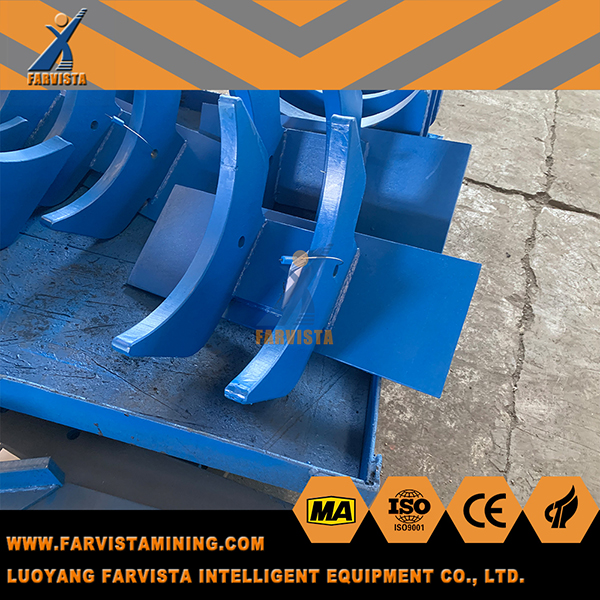
II. Production Process
1. Cutting and Pre-treatment
Raw steel is cut into blanks according to design specifications using CNC cutting or sawing.
Surface impurities and oxide layers are removed to ensure quality for subsequent machining.
2. Machining
Precision turning, milling, drilling, and boring are carried out on CNC machines.
Key features such as chain guide slots, positioning holes, and mounting holes are precisely machined to guarantee accurate assembly with sprocket components.
3. Surface Treatment
Surface impurities are removed through sandblasting or shot blasting to improve fatigue strength.
Anti-rust coatings, such as painting or blackening, are applied to enhance corrosion resistance.
4. Inspection and Assembly
Dimensional checks are performed using calipers, hardness testers, and coordinate measuring machines.
Tolerances such as accuracy, flatness, and hole fit are verified to ensure perfect integration with head and tail sprocket assemblies.
Final products undergo load testing to confirm reliable separation of chain and sprocket even under harsh conditions.
III. Process Features
High precision at critical points: Accurate machining ensures stable separation of chain and sprocket assemblies.
Outstanding wear resistance: Optimized heat treatment combined with wear-resistant steel extends service life in coal mine environments.
Compact structure: Designed to fit limited space at head and tail sections, making installation and maintenance easier.
Strict quality control: Full-process inspection guarantees compliance with coal mine safety and performance standards.
IV. Application Scope
As a core component of the scraper conveyor, the chain detacher is mainly installed at the head and tail sections, where it ensures smooth separation of the chain and sprocket, preventing interference or jamming during operation. In addition to underground coal mine conveyors, chain detachers are also widely used in stage loaders, surface transfer conveyors, and material handling systems in metallurgy, building materials, and power industries.
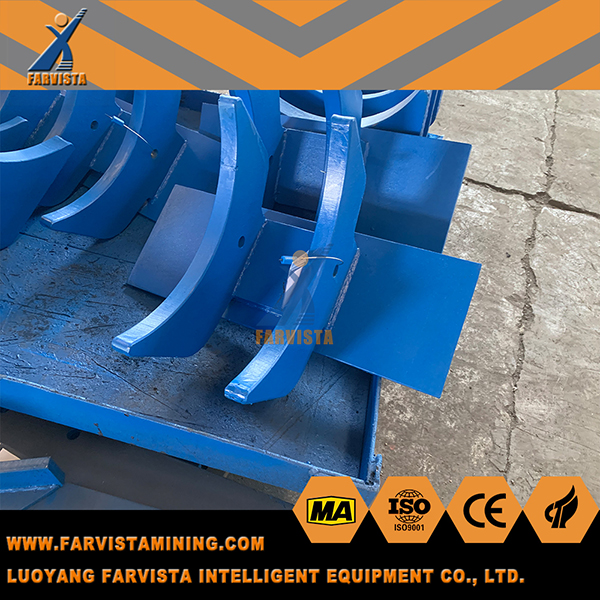
The scraper conveyor chain detacher is not only critical for chain tensioning and protection but also plays a key role in separating the chain from the sprocket at the head and tail. Its production process covers raw material selection, precision machining, surface treatment, and strict inspection, ensuring stable quality and reliable performance. With the advancement of coal mine mechanization, the production process of chain detachers continues to improve, supporting mining operations with higher efficiency and longer service life.